Long before contemporary ceramic studios perfected balanced handles and heat-retention glazes, early humans carved drinking vessels from wood, stone, and bone. These prehistoric cups lacked dedicated handles and transferred heat quickly, making hot liquids difficult to handle comfortably. The invention of pottery during the Neolithic era marked a major turning point, allowing craftspeople to mold clay into functional hollow forms and gradually experiment with early handle attachments.
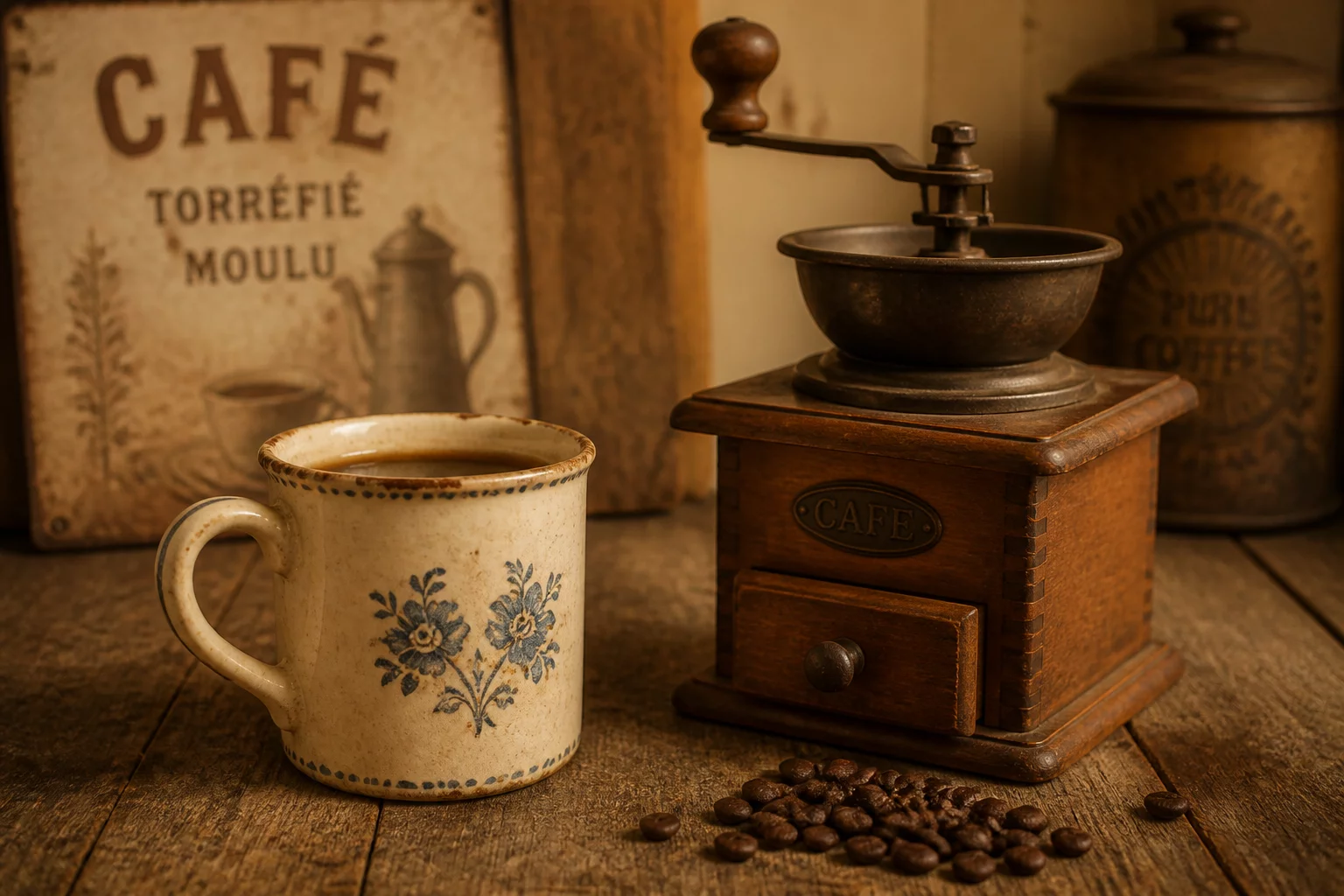
As porcelain manufacturing matured in ancient China and later spread across Europe during the eighteenth and nineteenth centuries, drinkware transitioned from purely utilitarian survival tools into refined tabletop art. The Industrial Revolution brought heavy ceramic diner mugs and durable enamelware, establishing the sturdy, reliable coffee mug as an essential fixture of modern morning rituals. Today, contemporary potters blend historical clay recipes with ergonomic contours for the ideal drinking experience.